


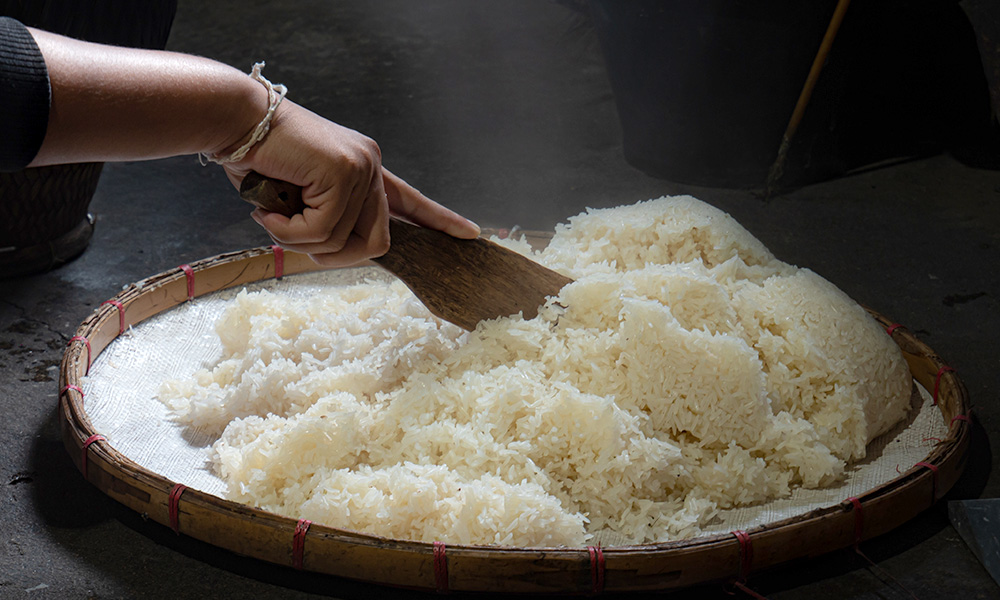
The quest for quality sticky rice Singapore begins not with a simple transaction but with an understanding of a grain that has shaped the culinary traditions of Asia for centuries, arriving in this island nation through the same routes of trade and migration that brought the peoples who cherish it. In the wet markets of Chinatown, the aisles of supermarkets in heartland estates, and the speciality shops clustered in Little India and Golden Mile, one finds evidence of this grain’s enduring importance, its presence a testament to cultural continuity in a rapidly modernising society. To purchase sticky rice in Singapore is to participate in a tradition older than the nation itself.
The Historical Context of Sticky Rice in Singapore
The story of sticky rice singapore mirrors the story of the island’s development as a crossroads of Asian commerce. Chinese immigrants brought their preferences for glutinous rice varieties, essential for festival foods and daily sustenance. Thai and Vietnamese communities introduced their own traditions, where sticky rice serves as the foundation for both sweet and savoury preparations. The Peranakan culture, born from the intermarriage of Chinese settlers and local Malays, developed unique applications for the grain, creating elaborate kueh that required specific varieties and preparation methods.
This convergence of culinary traditions created a sophisticated market for sticky rice, one that demanded variety, quality, and consistent supply. The merchants who established themselves as reliable sources for this essential ingredient built reputations that have, in some cases, endured for generations. The knowledge required to select, store, and sell sticky rice properly was not trivial, and those who mastered it found steady custom among discerning cooks.
Understanding Sticky Rice Varieties
The term “sticky rice” encompasses several distinct types, each with particular characteristics suited to specific applications:
Thai Glutinous Rice
Long-grain varieties that retain some individual grain structure even when cooked, prized for their subtle fragrance and versatility in both sweet and savoury preparations.
Chinese Glutinous Rice
Typically short-grain, producing an exceptionally cohesive texture ideal for dumplings, rice cakes, and traditional festival foods where the rice must hold its shape under pressure.
Black Glutinous Rice
Distinguished by its dark purple colour and nutty flavour, this variety offers nutritional benefits beyond its white counterparts and features prominently in dessert preparations.
Sweet Rice
A broader category that includes various glutinous varieties specifically selected for dessert applications, where their natural sweetness enhances the final dish.
Where to Source Quality Sticky Rice
The geography of sticky rice singapore reveals patterns established over decades. Traditional wet markets remain strongholds for the grain, where stallholders maintain direct relationships with importers and can speak knowledgeably about crop years, origins, and characteristics. These vendors, often operating from the same locations their families have occupied for generations, understand that their reputations depend upon consistent quality.
Supermarkets have democratised access to sticky rice, offering pre-packaged varieties that sacrifice the personal service of market vendors for convenience and standardised quality control. The better supermarket chains maintain proper storage conditions, rotating stock to ensure freshness and protecting the rice from the humidity that can compromise its quality.
Specialty Asian grocery stores occupy a middle ground, combining broader selection with more knowledgeable staff than typical supermarkets provide. These establishments often stock premium varieties unavailable elsewhere, catering to customers who seek specific regional types for authentic recipe preparation.
Evaluating Quality Before Purchase
The experienced buyer of sticky rice in Singapore employs several criteria when making selections. Visual inspection reveals much about quality. The grains should appear uniform in size and colour, free from excessive dust or debris. Broken grains, whilst unavoidable in any batch, should represent a small percentage of the total. The rice should possess a clean, faintly sweet aroma, never musty or stale.
Packaging matters considerably in Singapore’s tropical climate. Sealed bags with intact seals protect against moisture infiltration and insect contamination. Transparent packaging allows inspection of the contents, though some premium varieties arrive in opaque bags where brand reputation must substitute for visual verification.
The production or packaging date, when available, provides crucial information. Sticky rice, unlike aged basmati, benefits from relative freshness. Rice packaged within the past several months generally performs more reliably than older stock.
The Practical Considerations of Purchase
Quantity presents a calculation balancing freshness against economy. Larger bags offer better unit pricing but risk degradation if consumption cannot keep pace with deterioration. For households that use sticky rice regularly, five to ten kilogram bags represent a reasonable compromise. Occasional users might prefer smaller quantities, accepting higher unit costs for guaranteed freshness.
Price variations among sticky rice Singapore options reflect genuine quality differences in most cases, though not universally. The cheapest options typically contain more broken grains and less careful processing. The most expensive may include premium charges for imported prestige varieties or elaborate packaging. The middle range often provides the best value, representing solid quality without unnecessary markup.
Storage After Purchase
Once acquired, sticky rice demands proper storage to maintain its qualities. Transfer the rice to airtight containers immediately upon arriving home. Glass or food-grade plastic containers with secure seals protect against Singapore’s pervasive humidity and prevent odour absorption from nearby stored foods.
Location within the home matters. Cool, dark cupboards away from cooking heat preserve rice quality longer than storage near the stove. Some households maintain dedicated rice storage containers that, once established, continue serving this single purpose, preventing flavour contamination from previous contents.
Conclusion
The landscape of sticky rice singapore reflects broader patterns in the city-state’s food culture: a blend of tradition and modernity, an emphasis on quality, and access to varieties that would have astonished earlier generations. The careful buyer, armed with knowledge of what constitutes quality and where to find it, navigates this landscape successfully, securing the foundation for meals that connect present-day Singapore to culinary traditions centuries old.
