


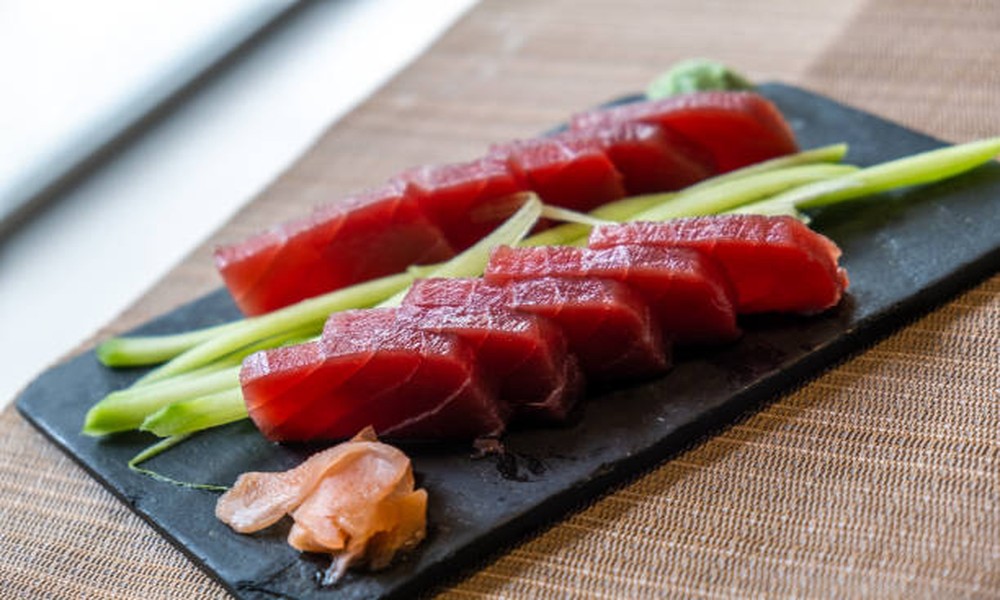
Bluefin tuna is widely regarded as one of the most premium ingredients in Japanese cuisine, prized for its rich flavor, buttery texture, and melt-in-your-mouth quality. At ISU, maintaining the freshness of bluefin tuna is essential to delivering an exceptional dining experience. From sourcing to preparation, every step plays a role in preserving the integrity of this highly valued fish.
The Role of Freshness in Flavor and Texture
Preserving Natural Taste
Freshness directly impacts the flavor profile of bluefin tuna. When properly handled, the fish offers a clean, slightly sweet, and rich taste that stands out in every bite. As tuna ages, its flavor can become dull or develop unpleasant notes, diminishing the overall experience.
Maintaining Ideal Texture
One of the defining qualities of bluefin tuna is its firm yet tender texture. Fresh tuna should feel smooth and resilient, providing a satisfying bite. Over time, improper storage or delayed handling can cause the flesh to soften or become mushy, reducing its appeal.
Visual and Sensory Indicators of Freshness
Color and Appearance
High-quality bluefin tuna is known for its vibrant deep red color and natural sheen. This visual cue signals that the fish is fresh and properly preserved. As freshness declines, the color may turn brown or dull, indicating oxidation and reduced quality.
Aroma and Cleanliness
Fresh bluefin tuna should have a mild, ocean-like scent. A strong or sour odor is often a sign of spoilage. Maintaining proper temperature and handling ensures that the fish retains its clean aroma and remains safe for consumption.
The Importance of Proper Handling and Storage
From Ocean to Table
The journey of bluefin tuna from the ocean to the plate is highly time-sensitive. Once caught, the fish must be handled carefully to prevent quality loss. Improper handling can lead to changes in texture, color, and taste, affecting the final dish served to guests.
Temperature Control
Keeping tuna at the right temperature is critical to slowing down spoilage. Fresh seafood is highly perishable, and even short exposure to unfavorable conditions can compromise its quality. Strict temperature control helps preserve the freshness that diners expect.
Why Freshness Defines the ISU Dining Experience
Elevating Culinary Standards
At ISU, freshness is not just a preference but a standard. Serving premium bluefin tuna requires careful sourcing and expert preparation to ensure every dish reflects the highest level of quality.
Enhancing Customer Satisfaction
Guests can immediately recognize the difference that fresh ingredients make. The vibrant appearance, delicate texture, and clean flavor of fresh bluefin tuna create a memorable dining experience that keeps customers coming back.
Freshness is the foundation of great bluefin tuna. By prioritizing proper handling, storage, and preparation, ISU ensures that every serving delivers the exceptional taste and quality that this prized ingredient is known for.
This post was written by a professional at ISU. At ISU, Japanese precision meets Peruvian fire in a refined take on Nikkei cuisine. Our izakaya-inspired small plates feature pristine sushi, seasonal ingredients, and carefully balanced hot and cold dishes. Tucked beneath our sister restaurant Fortu, the space offers warm woods, amber lighting, and an intimate modern feel. Known for bold Peruvian flair and elevated sushi, ISU is a top choice for Asian fusion near you, one of the best new restaurants near you, and a standout along Central Avenue in St. Petersburg, Florida. Visit ISU, one of the best dining spots in Downtown St. Petersburg, FL to experience Nikkei cuisine at its finest.
