


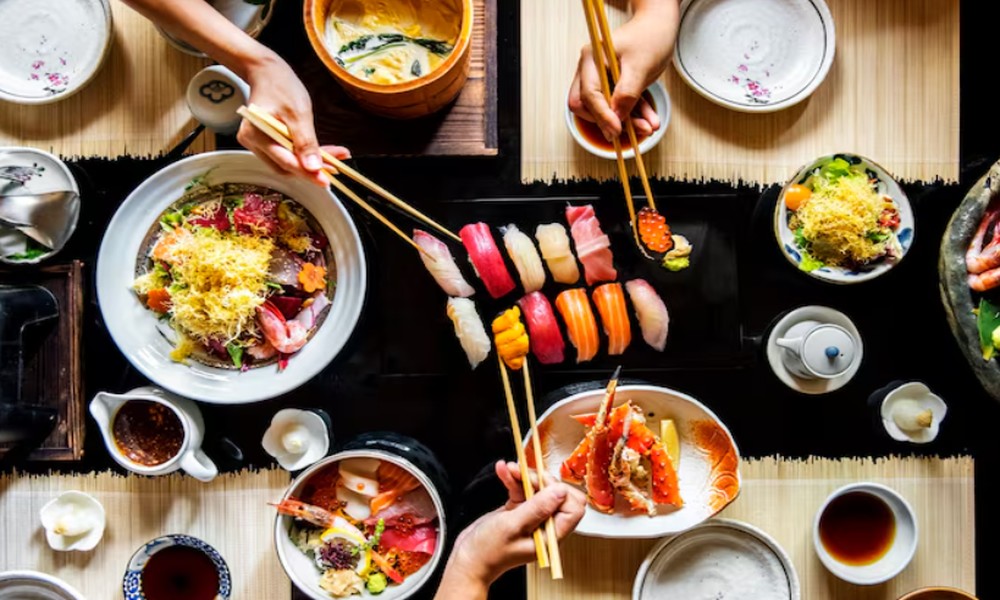
Certain ingredients are brought into the kitchen, and everyone kind of swivels. There is a hint of citrus scent or you feel a warm nutty aroma when the temperature of a pan reaches and pulls the cook into the kitchen like a magnet. For FORTU this pull is typically something that comes that comes from Japan. It’s not a policy we’ve written down. It’s more of a routine that keeps your menu sane. Today, it could be the yuzu kosho. This month, it could be a different chile, or the smell of a leafy plant which smells a bit minty and tries at being basil. I’ll try to keep the conversation casual and open. Certain notes may seem unfinished. Food writing is often good for me, at least.
Below is a brief overview of the ingredients we’re looking for and the reasons why they work and how you can take the same tips. I’ve added common questions into subheadings, so you can skip to the topic that you are interested in first.
What is the reason we are chasing the season for Japanese products in the in the first in the first
Seasonality can give flavor an impression of time. At the peak of citrus, the acids are more rounded and the aroma has a stronger scent. In the case of certain plants that are soft cut, they are more clean and are lighter when poured over hot food items. Japanese staples of the pantry tend to clarity. They organize salt instead of loud. That’s probably the reason we choose salts. They let the primary ingredient speak, but they also push the ingredient in a specific direction.
- Lighter sauces that don’t conceal the sear on the meat
- Smarter heat that wakes up the tongue, but does not numb it.
- Citrus notes can increase fat levels, so you’ll are more likely to want to eat another
Do you have a rule of thumb? It’s not actually. We test. We trust our senses. We stop eating when the dish is balanced and lively.
Yuzu kosho keeps popping up. What exactly is it, and what is it that makes it hit so brutally?
Imagine yuzu kosho as an engine for flavor that is tiny. It’s a paste made composed of fresh yuzu, yuzu zest chilies, salt. The scent is citrus at first and then a fine pure heat. You can apply just a small amount and let the dish go an extra step.
What do we mean by it in FORTU
- Whisked in a light vinaigrette to serve with crudo or chilled vegetables
- It is dipped into softened butter before being drizzled over the grilled fish at the very last moment
- Mix with a splash of mirin and brushed onto the flames of chicken yakitori
- Dotted on oysters, so that the citrus and salinity shake hands.
Home-cook tip: Buy a small jar, store it cool, and then treat it as wasabi. A bit. Taste. Maybe a bit more. It is easy to go over.
Shiso tastes like mint met basil. What is it that it does in the dish?
Shiso is difficult to describe without comparing it to other foods. Some suggest basil and mint. Some suggest a hint anise or even green apple. The reason we like it is the texture. The thinly sliced shiso elevates the flavor of a dish without battling it.
Shino shines in the places where it shines
- Cut into ribbons and sliced over tempura, so the crunch can be revived top note
- Hidden under sashimi in which the leaves scent every bite
- Mix it into a warm rice bowl infused with sesame oil for an fresh, herbaceous pop
- Chop into dressings for grilling meat or tuna that is fatty
A word of tip A lot of shiso could overpower. Begin with two or three leaves per serving, and then adjust. It’s perfume you are making not salad.
Sesame seems simple. What is the reason it’s never boring?
Sesame has three distinct ingredients that form a single idea. Oil, seeds and paste all have a different story to tell.
- Toasted seeds provide the warmth and texture. Sprinkle them on rice, greens and cold noodles.
- Sesame oil is a perfect finishing step. A teaspoon of oil can draw warmth into a dish in like an excellent chord is placed under a tune.
- Sesame or tahini paste make dressings silky, and adds the sauces with some weight, but without dairy.
Our routine is to FORTU
- Roast seeds on a pan of dry heat until they are fragrant. and then cool them quickly on a tray
- Grill the vegetables and finish with a small amount of sesame oil and lemon
- Make a paste of tahini by mixing miso, vinegar from rice and a touch of honey for dressing that sticks just enough
If you’ve tried sesame oil and discovered it to be heavy, take it down to half next time. Add it towards the end. It behaves differently when heated.
What exactly is tare and why cooks discuss it as if they were forming an intimate handshake?
Tare is an base sauce. It is usually made with mirin, soy and sugar. Sometimes, it’s sake, garlic and ginger. Then you simmer it and then skim until it becomes glossy. You apply it to grill foods, coat skewers with glaze or to sharpen broth. Tare isn’t so much an ingredient and more of something that is alive and can be fed through various services. The flavor of ours is a bit different as we add pan drippings and fresh aromas, and the tiny amount of soy to keep it shining.
Tare in action
- The yakitori’s glaze gets more intense with each passing night
- Quick lacquer to give salmon shine, but not syrup
- Drop a couple of drops in the ramen broth to give backbone
- The vegetables get a warm, smoky finish so that they can catch light and also add salt.
You can prepare a small batch at home within 20 minutes. You can put it in a container and keep it safe. It will begin to be brushed all over your surroundings and everything, which is great.
Togarashi on steak sounds incredibly delicious. What is it?
The term can frighten people. It’s not a wildfire. Togarashi blends generally comprise of chili orange peel as well as sesame, nori as well as a touch of ginger. There is heat, yes however, it’s also respectful. On the steak the citrus peel helps lift fat while the sesame gives crunch. The result is a crisp edge that’s bright and not only spicy.
How do we make an togarashi crust
- Dry the steak and add salt as needed.
- Lightly coat with oil and dust using togarashi right before sear
- In a hot skillet, cook the fish to set the spices, and then cool until you are ready
- Rest in the refrigerator, slice and then serve with a squeeze of yuzu or lemon
It enhances the richer cuts. For cuts with a lean cut spice adds flavor but doesn’t hide the meat.
Are there any other Japanese pantry players that we can lean on currently?
They typically change their frequency depending on market conditions. Short roll calls
- Ponzu: soy meets lemon. The brightening effect of grilled oysters, mushrooms and cold noodles.
- Sansho pepper It is tingly and floral. A tiny amount sprinkled over fat fish can be read as the button to refresh.
- Umeboshi: tart plum pickled. Mixed into sauces when you need acidity but not the sharpness.
- Kombu: dried kelp for dashi. Adds clean umami. It is kept in a glass of water in the walk-in to make cold infusions.
- Katsuobushi, shaved, smokey bonito. The perfect finishing touch to rice or vegetables.
- Sudachi: a tiny citrus that adds a distinct flavor to dressings when the yuzu is a little too perfumy.
We don’t use all of them within one bowl. This would create the equivalent of noise. The challenge is to decide which note will bring the most important ingredient to the forefront.
What ingredients can create a delicious taste for food?
The simple response is: contrast. Bright with rich. Hot and cool. The silky crunch. Some patterns we fall back upon time and time:
- Include citrus if fat takes over the lead
- Include herbs when texture is in need of an additional layer.
- Make sure to add sesame warmth if something is sour
- Include heat if the bite does not end quickly enough
- Include umami if the middle of your mouth is hollow
It is possible to feel these patterns when you take a bite. If a bite is with a strong flavor and fades away then it’s likely you require some salt or even heat. If it’s heavy from the beginning and doesn’t lift then you’ll require acid or herbs.
What seasonal shifts can make the biggest impact at home?
Try a small tweak every week. Check out what works.
- Keep the yuzu Kosho in a jar and an ice-cold bottle of ponzu in the refrigerator
- Toast sesame seeds in a large batch and then store them airtight
- You can plant a few shiso when you find an existing plant. It’s surprisingly tolerant.
- Make a cup of tare, then apply it over the vegetables you already grill.
- Purchase a new citrus whenever it’s available in markets, and compare it to the one you usually use.
There is no need for an entire pantry swap. The majority of the fun can be summed up in one teaspoon at the right moment.
How can we reconcile both modern and traditional menus?
This is where the process gets a little tricky. We strive to be respectful of the ingredients and the method it was made with. We then ask what our kitchen requires for the day. Perhaps that fish has a buttery taste and requires acid. The vegetables may have been with a sweet taste. Tradition provides us with an initial point. Service is the solution.
Sometimes, we make use of tare in the way that a traditional recipe wouldn’t. Sometimes, we use ponzu as it is written. The most effective choice will appear after two test bites, and a quiet acknowledgment from the one who took the spoon after.
Do these flavors work with those who are looking for mild spice or not raw fish?
Absolutely. All of these ingredients do not require raw seafood in order to make sense. It is possible to bring the same clarity to your grilled the chicken or roasted squash or a bowl of noodle filled with mushrooms. If you are concerned about heat you can use blends such as togarashi in a delicate hand or move towards sesame and citrus instead. The aim is harmony, not bravado.
Quick ingredient cheat sheets
Yuzu kosho
- Enjoy with fatty fish or grilled chicken, oysters
- Begin with a pea-sized amount
- Keeps best cold, airtight
Shiso
- Cut into thin ribbons to garnish
- Utilize two to three leaves per serving
- You can try both red and green varieties.
Sesame
- Toast seeds until fragrant Then, cool quickly
- Sesame oil can be added at the end of the recipe, not in the process of preparing a sear that is hard.
- Blend tahini using miso and vinegar to make a quick sauce.
Tare
- Soak mirin, soy, and sugar, and mirin until they are glossy.
- The brush is removed in the final minute of grilling
- Refresh by adding a splash new soy when you need it
Togarashi
- Sprinkle lightly with flour prior to cooking steaks or tuna.
- Then, finish with citrus for a brighter
- Seal the container to ensure that the peel remains aromatic
What are the dishes we’re serving these dishes with now at FORTU?
Menus change however, these ideas are always present in the tastings:
- The broccoli is charred, the dressing has sesame shaving Katsuobushi
- Cold noodles with ponzu Shiso, and crunchy garlic
- Grilled salmon, finished with tare, and a hint of the yuzu-kosho
- Seared steak served with a togarashi crust, and a citrus-herb salad
- Crispy tofu served with tahini-miso sauce and sesame seeds that are warm
Sometimes we switch the citrus. Sometimes we switch the herb. The design remains. The details shift in accordance with the production or the overall mood in the space.
The most important key
- Seasonal Japanese ingredients provide clarity, not just cover.
- Yuzu Kosho is power in small doses. Take it seriously.
- Shiso has a scent and texture and texture, not bulk.
- Sesame operates in three voices that are oil, seeds, and paste.
- Tare is living sauce. If you feed it, it will give you back.
- Togarashi provides steak with a sharp edge, with a bright and clear look without overwhelming fire.
- Build contrast for the reason. Acid for fat, herb for weight, heat for length.
- Begin small at your home. A new spoonful of food can make or break your dinner.
FAQs
How can you tell the differences between lemon and yuzu in the kitchen?
Yuzu is a fragrant scent that is softer and more rich than lemon. It is possible to substitute one drop if you’re left with no yuzu. However, it will result in a lighter and more clear.
Do I need to substitute shiso in places where I usually would use basil?
Sometimes. Shiso is more vibrant and a bit minty. It shines in lighter meals and feels unnatural in a place where you’d expect the spicy heat of basil.
Sesame oil can be used only to be used for finishing?
Mostly. A tiny quantity at the conclusion will keep the scent in place. When you bake it for a long time the aroma may become be dull. There are exceptions and they can be found through tasting.
How long will tare last?
A couple of weeks in the refrigerator when you take care to cleanly handle it and heat what you intend to make use of. A lot of kitchens prolong it by feeding it and simmering. Home smaller batches are simpler.
Is togarashi too hot for those who are sensitive?
The majority of blends are mild. Begin by dusting lightly and end with a citrus. The heat should be lively and not abrasive.
What one do I test initially at home?
Tare or the yuzu kosho. Both transform simple food items in a matter of just a few minutes. Sesame is the most simple to use for everyday if you are looking for an easier step.
A brief thought of closing
The most enjoyable plates this season aren’t more blaring. They’re more clear. A sharp edge to steak. A citrus scent that allows you to enjoy the sear, more than just spice. A plant that floats across the hot dish and makes it smell like a fresh day. This is the type of cooking we do at FORTU and the kind that you can make at home by using just the help of a couple of new tools in your kitchen. Start tiny. Taste often. Each ingredient should do its job effectively. The rest is likely to follow.
This post was written by a professional at Fortu. Fortu stands out among the top Restaurants St Petersburg FL, offering an elevated Pan-Asian dining experience in the heart of St. Petersburg, Florida. Celebrating Asia’s vibrant and diverse culture, Fortu introduces bright and bold flavors to a bright and bold city with a menu of locally and sustainably sourced options, from small bites to hearty delicacies. Whether winding down from a beach day or celebrating a special occasion, guests can enjoy a lush, alluring atmosphere and an authentic taste of Asia’s divine cuisine at one of the finest Downtown St Petersburg FL Restaurants.
