


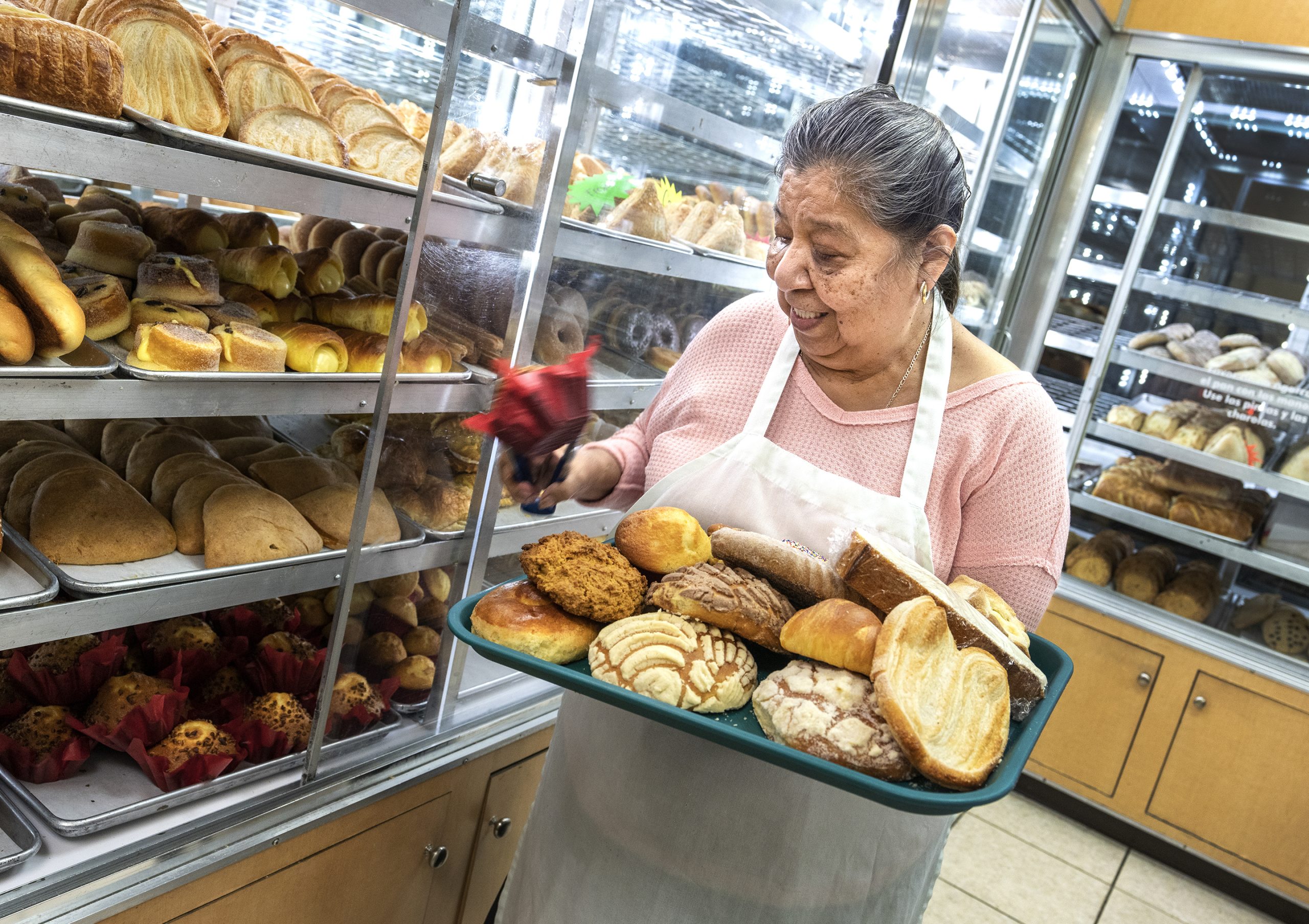
Mexican food culture builds family connection through shared preparation, communal eating traditions, and generational recipe transmission that few culinary traditions replicate at equivalent depth. Families who gather around traditional Mexican tables through establishments, Panaderia Lara Mexican market access ingredient quality and cultural food products that home cooking traditions depend on for authentic preparation. That ingredient access supports the domestic cooking practices where family food culture actually lives, not in restaurant visits alone, but in household kitchens where traditional recipes connect present family meals to generational cooking heritage accumulated across decades of shared table experience.
Communal preparation
Traditional Mexican dishes requiring extended preparation effort create family participation opportunities that quick-preparation equivalents never generate across equivalent cooking occasions. Tamale-making sessions, mole preparation across multiple cooking stages, and masa-based antojito production each involve task distribution across family members whose different roles within the preparation process create intergenerational knowledge transfer alongside the practical cooking outcome:
- Task distribution across ages, younger family members spreading masa, experienced cooks managing chilli preparation, and elder family members directing seasoning decisions, creates multi-generational participation structures where different knowledge levels contribute meaningfully to collective preparation outcomes.
- Sensory knowledge transmission, such as consistency assessment, chilli toasting timing, and seasoning adjustment decisions communicated through direct demonstration during communal preparation sessions, transmit tactile cooking knowledge that written recipes describe inadequately without hands-on transmission.
- Preparation occasion memory formation, tamaladas, and family mole preparation sessions create shared food memories that adult family members recall when encountering those flavours years later, embedding traditional dish flavours within positive family occasion associations that strengthen emotional connection to Mexican food culture across the full family group.
Communal preparation occasions sustain family food culture transmission more durably than restaurant consumption because active participation creates ownership over traditional recipes that passive consumption never generates at equivalent cultural depth.
Table culture creates
Mexican food culture treats daily meals as genuine family occasions rather than individual refuelling events, embedding regular table gathering within cultural expectations that other food traditions approach as exceptional rather than standard daily practice. Daily tortilla preparation, fresh salsa making, and bean cooking each create household food rhythms that family members orient daily schedules around rather than accommodating meal timing within individually managed activity schedules:
- Fresh preparation signals priority households maintaining daily fresh tortilla and salsa preparation communicate through practical food investment that meal quality and family gathering carry priority over convenience that pre-prepared commercial alternatives offer at the cost of the fresh preparation quality, these daily food rituals produce
- Meal timing as family structure, traditional Mexican household meal timing, particularly the main afternoon comida, creates a daily family gathering anchor that working schedules accommodate rather than displace, sustaining regular family table contact that informally scheduled individual eating patterns progressively erode across households where meal timing carries no cultural expectation of collective participation
Market connection sustains
Access to authentic Mexican market ingredients sustains the home cooking practices that family food culture depends on for daily expression beyond occasional special preparation events. Households sourcing fresh chillies, authentic masa harina, piloncillo, and traditional cheese varieties maintain cooking capacity that supermarket-dependent ingredient sourcing progressively limits as authentic product availability narrows within mainstream retail channels. Family recipes calling for specific dried chilli varieties, regional cheese types, and traditional spice combinations produce authentic results only when ingredient sourcing delivers the specific products those recipes were developed around, rather than accepting commercial substitutes that alter flavour profiles beyond recognition for family members whose palate memory holds authentic versions as the reference standard.
A particular aspect of the Mexican food culture is its ability to build a sense of family through the sharing of meals across every table, where traditional cooking is kept to maintain a household presence.
