

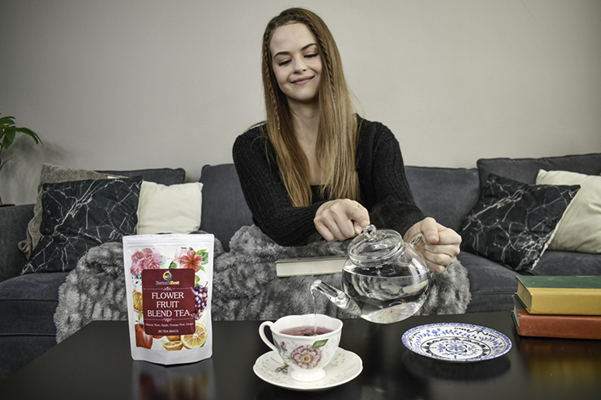
Part of living well—really living well—is returning to practices that honor the wisdom of tradition and align with how human physiology actually functions. We fuss over the latest diets and quick fixes, but sometimes the most impactful changes are quietly steeped in a cup of tea.
One underappreciated elixir? Hibiscus tea. Celebrated for centuries across Africa, the Caribbean, and parts of Asia, hibiscus isn’t just a vibrant, floral brew—it’s a beverage with science-backed benefits for cardiovascular health, metabolic balance, and daily hydration.
What Makes Hibiscus Tea Special
At its core, hibiscus tea is made from the dried calyces of the Hibiscus sabdariffa plant. It’s tart, refreshing, and naturally caffeine-free—making it suitable for daily consumption without the jittery side effects of coffee or traditional caffeinated teas.
But there’s more than flavor at play. Hibiscus is rich in plant compounds called anthocyanins—potent antioxidants that give the drink its signature ruby hue. These phytonutrients have been studied for their ability to support healthy blood pressure levels, moderate cholesterol, and contribute to overall antioxidant capacity in the body.
In a world where chronic inflammation and oxidative stress are major contributors to long-term disease, drinking something that subtly nudges your physiology toward balance is a smart strategy.
How Hibiscus Tea Supports Heart Health
One of the most compelling reasons health-focused individuals reach for hibiscus tea is its association with cardiovascular wellness. Research suggests that hibiscus can help maintain normal blood pressure levels that are already within a healthy range—a benefit especially useful for anyone managing stress or sitting for long periods, which are both common in contemporary lifestyles.
This isn’t about replacing medication or ignoring medical advice. It’s about supporting the system body-wide, gently and naturally, as part of a larger lifestyle that includes movement, good nutrition, and stress management.
A high-quality hibiscus tea like the one from Burton’s Best captures this potential in every cup:
Daily Rituals That Work With Your Biology
We tend to think about habits in terms of extremes—a cleanse, a detox, a dramatic overhaul. But meaningful health improvements are rarely that dramatic. They’re consistent, repeatable practices that honor your body’s innate rhythms.
For many people, hibiscus tea becomes a daily ritual that fits seamlessly into life. It can be enjoyed hot in the morning, iced in the afternoon, or even as a soothing pre-bedtime beverage thanks to its caffeine-free nature.
One cup a day doesn’t just hydrate. It provides a gentle dose of anthocyanins and other botanicals that support metabolic and cardiovascular systems without overwhelming your physiology.
What to Look for in a Quality Hibiscus Tea
Not all hibiscus tea is created equal. If you’re going to make it part of your daily routine, choose a blend that values:
Pure hibiscus calyx without fillers or additives
No artificial sweeteners or sugars
Clean, natural ingredients
Balanced flavor—bright and tart, not bitter
Caffeine-free formulation
Long ingredient lists or added flavors aren’t necessarily harmful, but simplicity often yields better results. You want the hibiscus to do the heavy lifting—not a bunch of extra junk.
Small Steps, Big Rewards
Sustainable health isn’t built on perfection. It’s built on sensible, consistent habits. Choosing a beverage that supports hydration, heart health, and metabolic balance—without caffeine or sugar—is not a radical act. It’s a smart one.
Whether you’re looking to diversify your daily routine or simply swap out a sugary drink for something more nourishing, hibiscus tea is worth a seat at your table. Flavorful, functional, and rooted in both tradition and modern science, it’s the kind of simple ritual that pays dividends over time.
And if you want a well-crafted option that respects both quality and efficacy, this hibiscus tea blend is a fine choice:
