


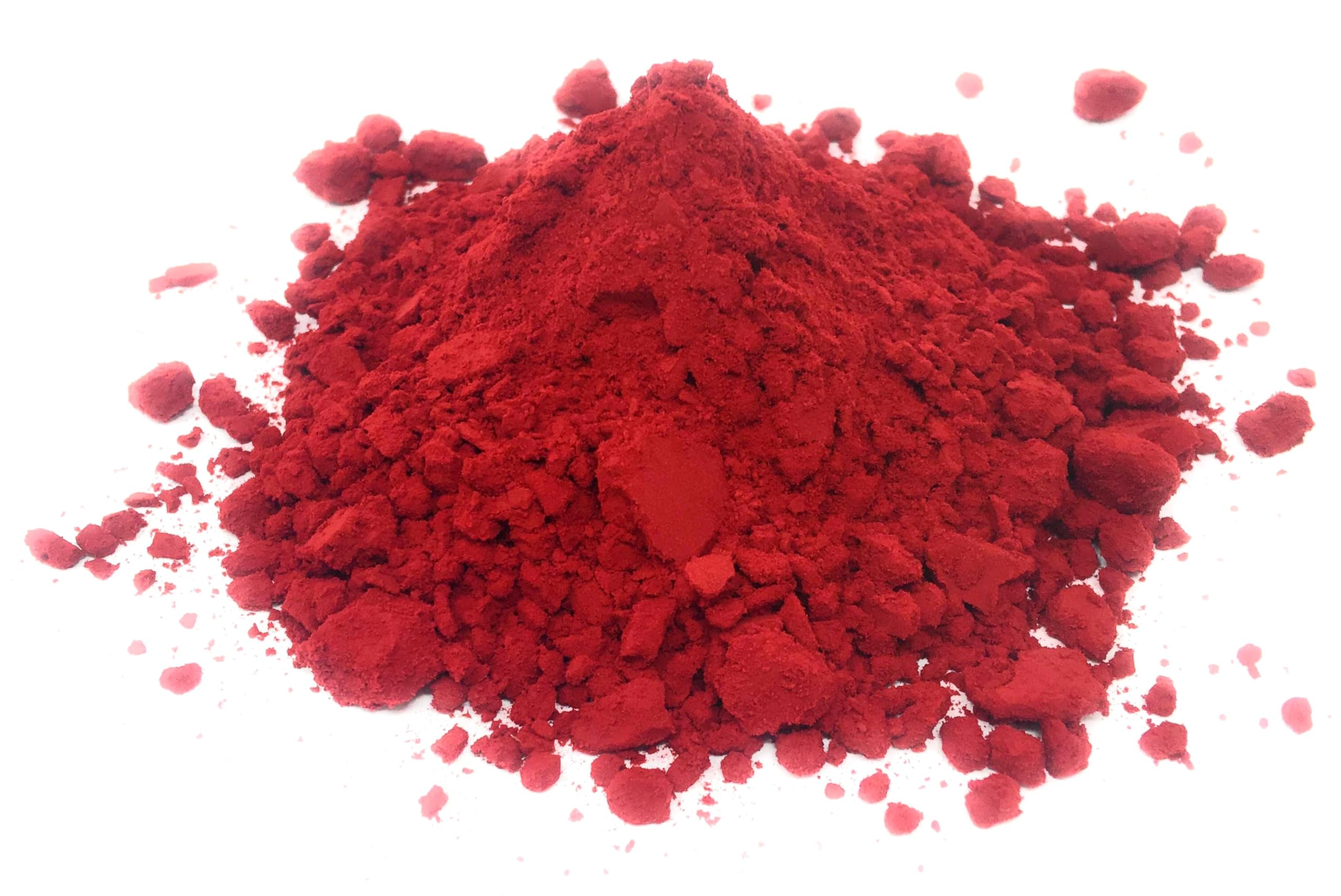
Food groups are now looking for recognizable side properties due to customers increasingly checking product labels before making grocery purchases. Today, red radish powder is found throughout the commercial food industry in domestic beverages, desserts, frozen cakes, and bakery fillings. Manufacturers often choose vegetable-based whole colors because obviously the source ingredients guide the state of the cleaning product for some time. The demand for crimson colors for food is also increasing, as the unusual colors quickly attract the attention of patrons. Product manufacturers are now more carefully balancing consistency profile, elemental transparency, and processing than ever before.
Storage Conditions Often Influence Shade Consistency Over Time
Natural pigments later react differently sometimes during storage depending on moisture promotion, temperature change, and packaging material. Some colors remain stable, although others lose depth step by step and under commercial transportation and retail display conditions. Red radish powder often plays better in managed environments with slow forced heat exposure. Companies test products repeatedly because visual consistency strongly affects customer confidence during repeat purchases everywhere. Stability evaluations also become important when products travel through different climates across international distribution networks regularly.
Purple Shades Continue Appearing Across Beverage and Dessert Products
The demand for the purple color for food increased because colorful products attract stronger online and retail attention globally today. Beverage companies use purple shades inside flavored drinks, syrups, sparkling beverages, and frozen products regularly. Some manufacturers blend radish pigments with berry concentrates for deeper tones and more balanced visual results commercially. Product appearance matters because customers often associate mechanical shade depth with taste expectations when making purchasing decisions. Social media photography trends also increased interest in visually distinctive food products everywhere.
Powdered Ingredients Simplify Handling During Large-Scale Manufacturing
Many manufacturers choose powdered pigments because transportation and storage usually become easier compared with liquid alternatives later. Red radish powder works well in commercial indoor dry mixes, condiments, dessert coatings, and bakery operations. Powder designs also reduce the risk of emissions during wing tackle on busy manufacturing operations globally. However, companies carefully monitor the exposure to moisture because moisture can also affect the quality and final paint performance of the pigment afterwards. Packaging choice often strongly influences factor shelf balance at some point during the warehouse garage’s lifespan.
Retail Lighting Changes How Customers Perceive Product Appearance
Lighting systems in supermarkets often affect the appearance of herbal dyes to the customer during the browsing period. Transparent packaging especially increases pressure because every color inconsistency becomes more visible afterward inside retail freezers and on shelves. The purple shade for foods occasionally requires repeated testing under industrial lighting environments before the packaging certification field is fully implemented. Product developers value multiple formulas because even small visual differences can have a big impact on buyer responses. Consistent appearance remains important across competitive beverage, dessert, and confectionery categories globally.
Ingredient transparency keeps influencing modern food industry decisions
Customers now connect shorter ingredient lists with higher product quality during purchasing decisions more frequently than before. Red radish powder appeals to many food businesses because vegetable-based ingredients often sound more familiar and recognizable publicly. Cleaner labels became especially important for premium beverages, organic snacks, and specialty dessert brands across international markets lately. Food companies also explain sourcing practices more openly through digital advertising and social media promotions now. Ingredient awareness continues shaping product development strategies across modern food manufacturing industries steadily.
Conclusion
Natural food pigments continue gaining attention because visual presentation strongly influences customer expectations during product purchases today. foodrgb.com shares practical information related to naturally sourced pigments and commercial food manufacturing applications for businesses globally. Red radish powder remains valuable because it helps create attractive reddish and purple shades across different food categories naturally. At the same time, the color purple for food continues to grow in popularity as brands search for visually distinctive product appearances without relying heavily on synthetic additives. Businesses planning future product development should carefully evaluate ingredient stability, storage requirements, and processing compatibility before expanding commercial manufacturing operations.
