


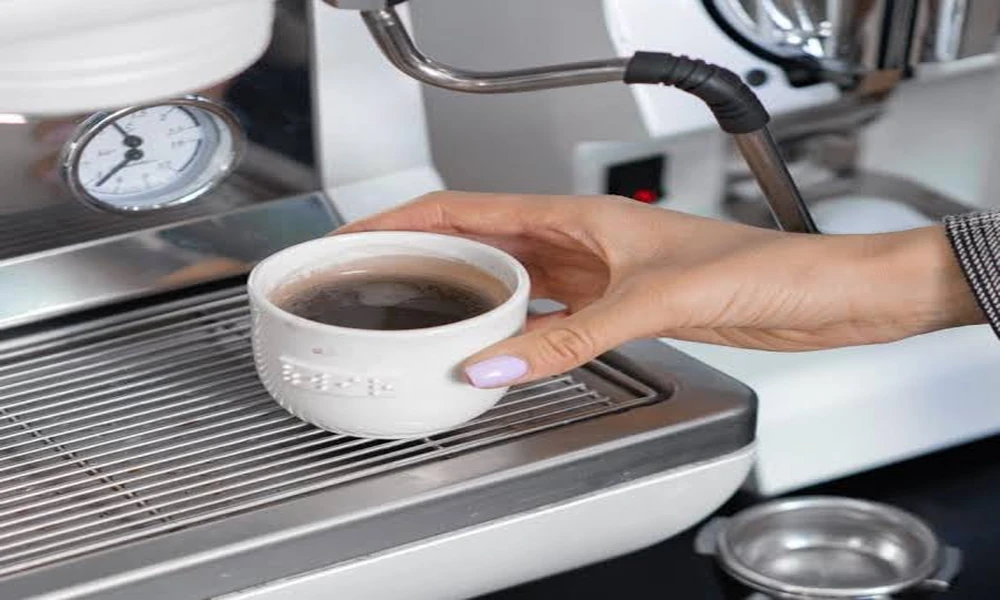
It is easy to assume any machine that grinds beans on site qualifies as bean to cup, but the category actually describes a specific mechanism, not just the presence of a grinder. A genuine bean to cup coffee machine singapore grinds a fresh dose immediately before each extraction, rather than grinding a batch in advance, which is the detail that most affects flavour, and understanding it changes what buyers should actually compare when evaluating options.
How Bean to Cup Machines Actually Work
Each cup triggers a fresh grind, precise dosing into the brew chamber, tamping and extraction under pressure, all within the same cycle. Because grinding happens seconds before brewing, the coffee oils that degrade quickly once ground are still largely intact, which is the main reason bean to cup output tastes noticeably fresher than machines that grind a hopper’s worth of beans hours or days in advance. The entire sequence typically completes within thirty to forty-five seconds per cup, depending on the model and drink selected.
Freshness as the Core Advantage
Ground coffee loses aromatic compounds within roughly fifteen minutes of grinding, well before most office pantries would get through a pre-ground batch. Bean to cup systems sidestep this entirely by keeping beans whole until the moment of use, which is why offices that switch from pre-ground filter setups often notice the difference immediately, even without changing the bean supplier. Whole beans stored correctly retain their character for weeks rather than minutes, which is the practical advantage that matters day to day.
Rental Versus Purchase for This Machine Type
Bean to cup machines have more moving parts than simpler brewers, which makes servicing more relevant to the total cost of ownership. Renting bundles maintenance and eventual upgrades into a predictable monthly fee, which suits offices without an internal facilities team. Purchasing outright can be more economical over three or more years of steady use, provided a servicing arrangement is set up separately rather than left informal. Trial periods offered by some suppliers are worth using to confirm the machine suits actual daily usage before committing long term.
Grind Settings and Bean Compatibility
Grind fineness affects extraction time and strength, and most commercial units allow adjustment to match different bean origins or roast levels. Oilier dark roasts can clog grinders not designed for them, so checking bean compatibility against the machine’s specification avoids a common cause of early breakdowns in busy office environments. Flavoured or sugar-coated beans should generally be avoided altogether, since residue from coatings builds up in the grinder mechanism over time.
Milk Systems and Drink Range
Most bean to cup coffee machines with automatic milk systems integrate a milk carafe or automatic frother, allowing lattes and cappuccinos alongside straight espresso from the same machine. Systems that clean themselves between drinks reduce the hygiene risk that comes with manual jug frothing, which matters more in a shared office pantry than in a home kitchen.
Water Quality and Its Effect on Output
Singapore’s tap water is generally suitable, but hardness still affects scale buildup inside the boiler and brew group over time. Machines fitted with an internal filter cartridge reduce this considerably, and offices in older buildings with harder water supply lines benefit disproportionately from this feature compared with those on newer mains connections. Filter cartridges themselves need periodic replacement, so factor that into ongoing running costs rather than treating it as a one-off purchase.
Servicing Needs Specific to Bean to Cup Units
Grinders need periodic cleaning to prevent stale coffee oil buildup, brew groups require regular flushing, and descaling schedules should follow actual water hardness rather than a generic calendar. Machines obtained through a rental arrangement typically have this built into the contract, while purchased units need the buyer to arrange it proactively to avoid a gradual decline in cup quality. A decline in output rarely announces itself suddenly, which is why scheduled checks catch problems earlier than waiting for a complaint.
Sizing the Machine to Office Demand
Bean hopper and water tank capacity should be matched to daily cup volume, not just headcount, since actual consumption is usually lower than the number of desks would suggest. Undersized machines brew slowly under peak demand and need frequent refilling, while oversized units sit underused and risk stale beans sitting in the hopper for longer than ideal.
Comparing Bean to Cup Against Traditional Espresso Setups
Traditional lever espresso machines can produce excellent coffee but depend entirely on operator skill for consistent dosing and tamping, which is impractical in a shared office where no one is formally trained. Bean to cup machines standardise that process mechanically, trading a small amount of ceiling quality for reliability that does not depend on who happens to be using the machine that morning.
Deciding What Fits Your Office
Weigh expected daily volume, water hardness and whether an internal team can handle basic upkeep before choosing between renting and buying. Offices without dedicated facilities support generally do better with a serviced rental, while stable, high-volume teams often find ownership more cost-effective long term. Whichever route suits your business, a properly sized bean to cup coffee machine singapore will deliver noticeably fresher coffee than any pre-ground alternative, provided it is matched correctly to how the office actually drinks coffee.
